Advanced engineered surfaces
Sintered Stone Worktops
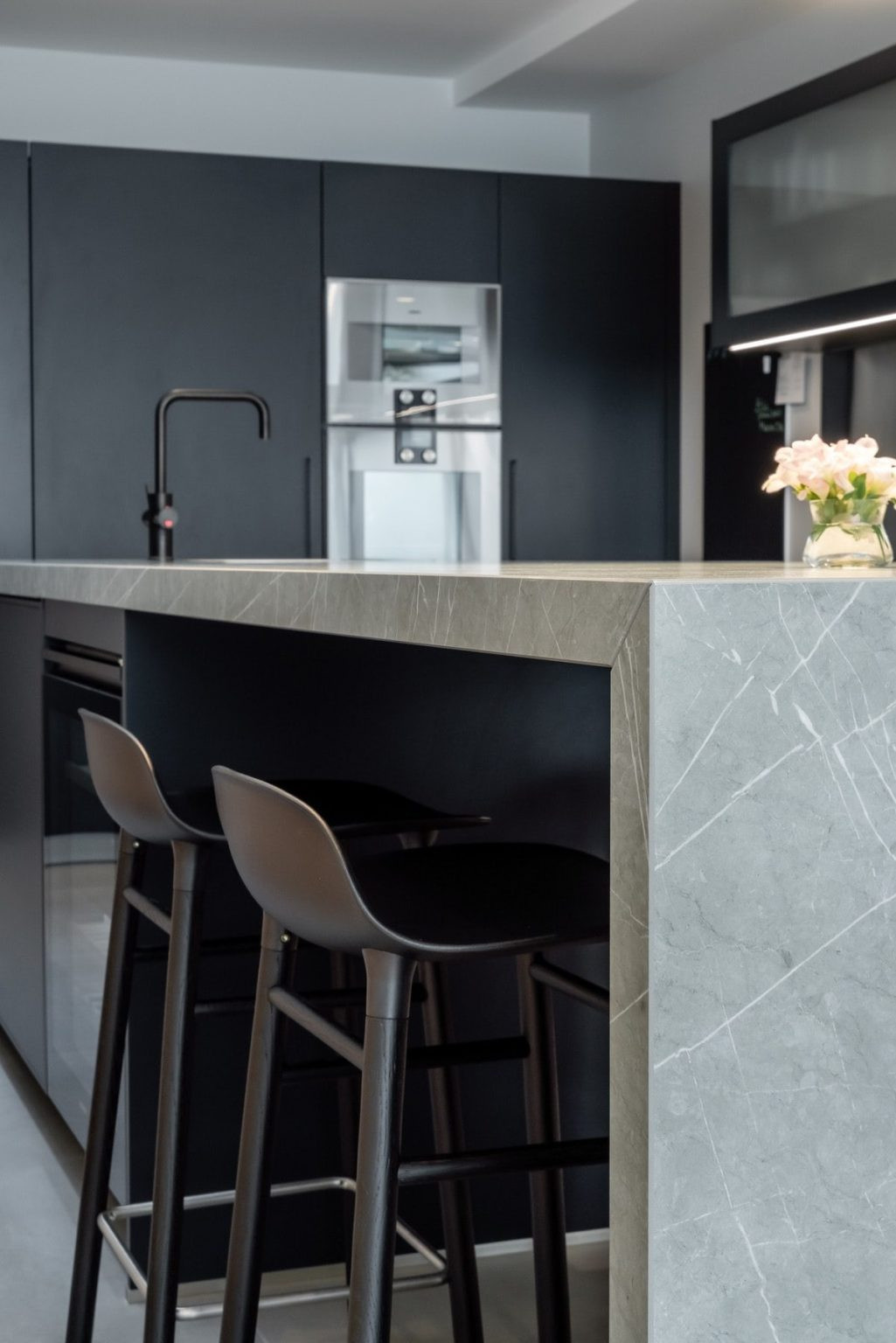
Sintered stone worktops combine advanced engineering, exceptional durability and refined contemporary design. Manufactured using natural minerals under extreme heat and pressure, the resulting surface is dense, non-porous and suitable for demanding residential and commercial interiors.
The material provides strong resistance to heat, scratching, staining, ultraviolet exposure and everyday wear. Its availability in large-format slabs also makes it suitable for seamless kitchen worktops, islands, splashbacks, bathroom surfaces and architectural wall cladding.
At Stone Sense , we supply, fabricate and install bespoke sintered stone kitchen and bathroom worktops across the UK. Customers can explore the range in person at our Oldbury showroom before selecting a colour, pattern and finish.
Planning your budget? View our Sintered Stone Pricing guide for information on typical costs, fabrication and the factors that can influence your quotation.
Material overview
What Are Sintered Stone Worktops?
Sintered stone is an engineered architectural surface created by compressing natural minerals under intense pressure before firing them at extremely high temperatures.
This process produces a compact, durable and non-porous slab with very low water absorption. The surface performs well in kitchens, bathrooms and commercial interiors while requiring minimal ongoing maintenance.
Unlike materials that depend heavily on resins, sintered stone derives much of its strength and performance from the compressed mineral composition and high-temperature manufacturing process.
Manufacturing process
How Sintered Stone Worktops are Made
Mineral Selection
Natural minerals such as quartz, feldspar and clay are selected and prepared for production.
Fine Grinding
The minerals are ground into a controlled fine powder to create a consistent base composition.
Compression
The prepared material is compressed under extreme pressure to form dense, large-format slabs.
High-Temperature Firing
The slabs are fired at approximately 1300–1400°C before being cut, finished and refined.
Key benefits
Why Choose Sintered Stone Worktops?
Heat Resistant
The high-temperature manufacturing process creates a surface capable of performing well in demanding kitchen environments.
Non-Porous
Its dense structure limits water absorption and provides strong resistance to common spills and staining.
Scratch Resistant
Sintered stone offers dependable resistance to everyday wear, marking and scratching when used correctly.
UV Stable
Strong resistance to ultraviolet exposure makes selected surfaces suitable for indoor and outdoor applications.
Low Maintenance
Routine cleaning normally requires only a soft cloth, mild detergent and clean water.
Colours and finishes
Contemporary Large-Format Design
Sintered Stone Worktops are available in large-format slabs that can reduce visible joins and create a more continuous architectural finish across worktops, islands and wall surfaces.
Collections range from restrained neutral colours to highly detailed marble, concrete, metal and natural-stone effects.
- Marble-inspired surfaces
- Concrete and cement effects
- Natural stone textures
- Solid black and white finishes
- Metal and oxidised effects
- Matt and textured surfaces
- Large-format wall cladding
- Book-matched statement designs
Suitable applications
Where Can Sintered Stone Be Used?
The combination of low porosity, heat resistance and large-format slab sizes makes sintered stone suitable for a broad range of residential, commercial and architectural surfaces.
- Kitchen worktops and preparation areas
- Kitchen islands and waterfall ends
- Full-height splashbacks
- Bathroom vanities and wall cladding
- Shower walls and wet-room surfaces
- Media walls and feature walls
- Reception desks and commercial counters
- Selected outdoor kitchens and surfaces
Brands and projects
Explore Sintered Stone Brands and Installations
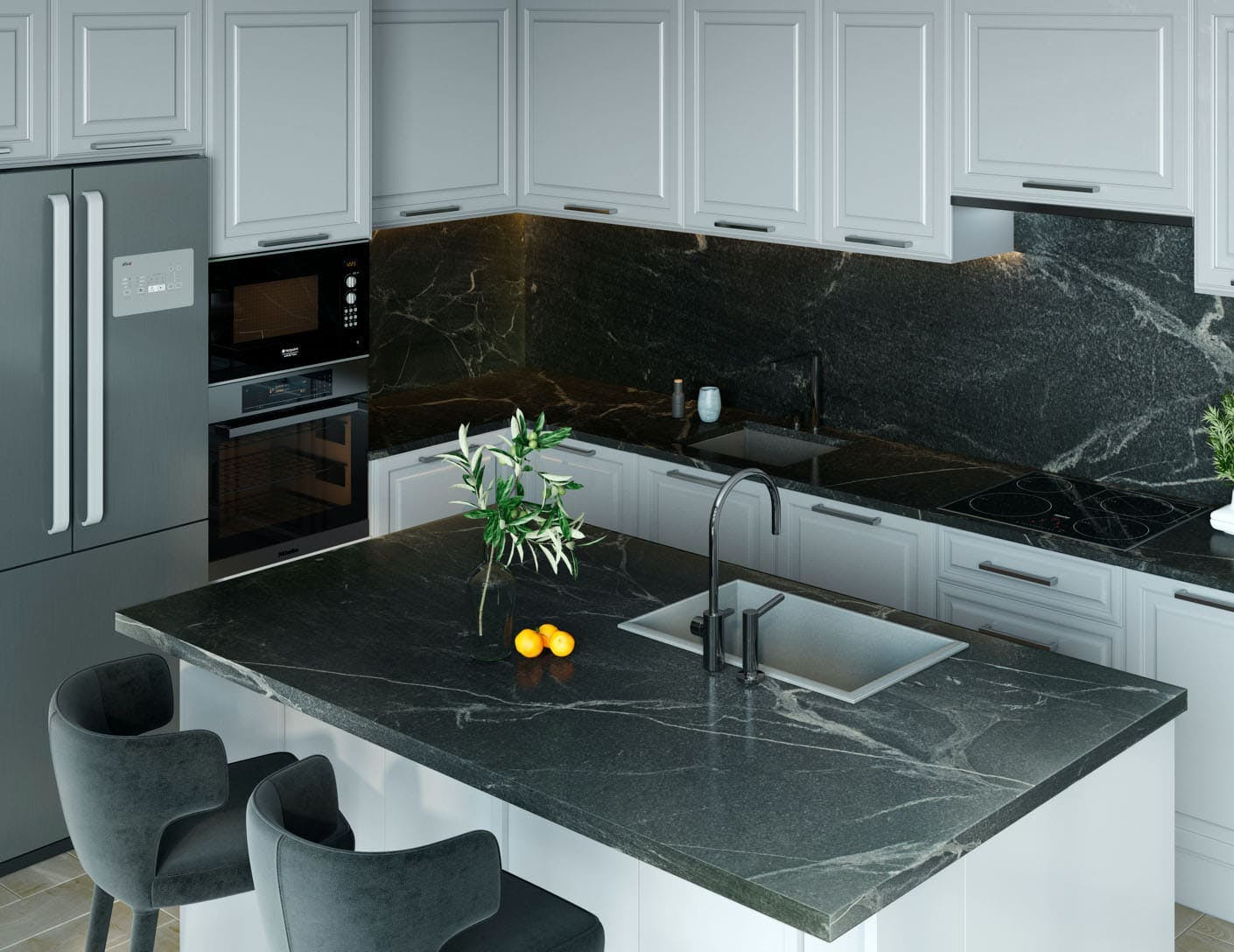
Compare established sintered stone collections and see how these surfaces can be used in completed StoneSense projects.
Dekton Worktops
Explore Dekton surfaces for kitchen worktops, islands, splashbacks and other high-performance interior applications.
Neolith Worktops
Discover Neolith collections in marble, natural stone, concrete and contemporary solid-colour finishes.
Dekton Laurent Worktop
View Dekton Laurent, a dark statement surface with distinctive warm veining for worktops, islands and feature applications.
Neolith Calacatta Project
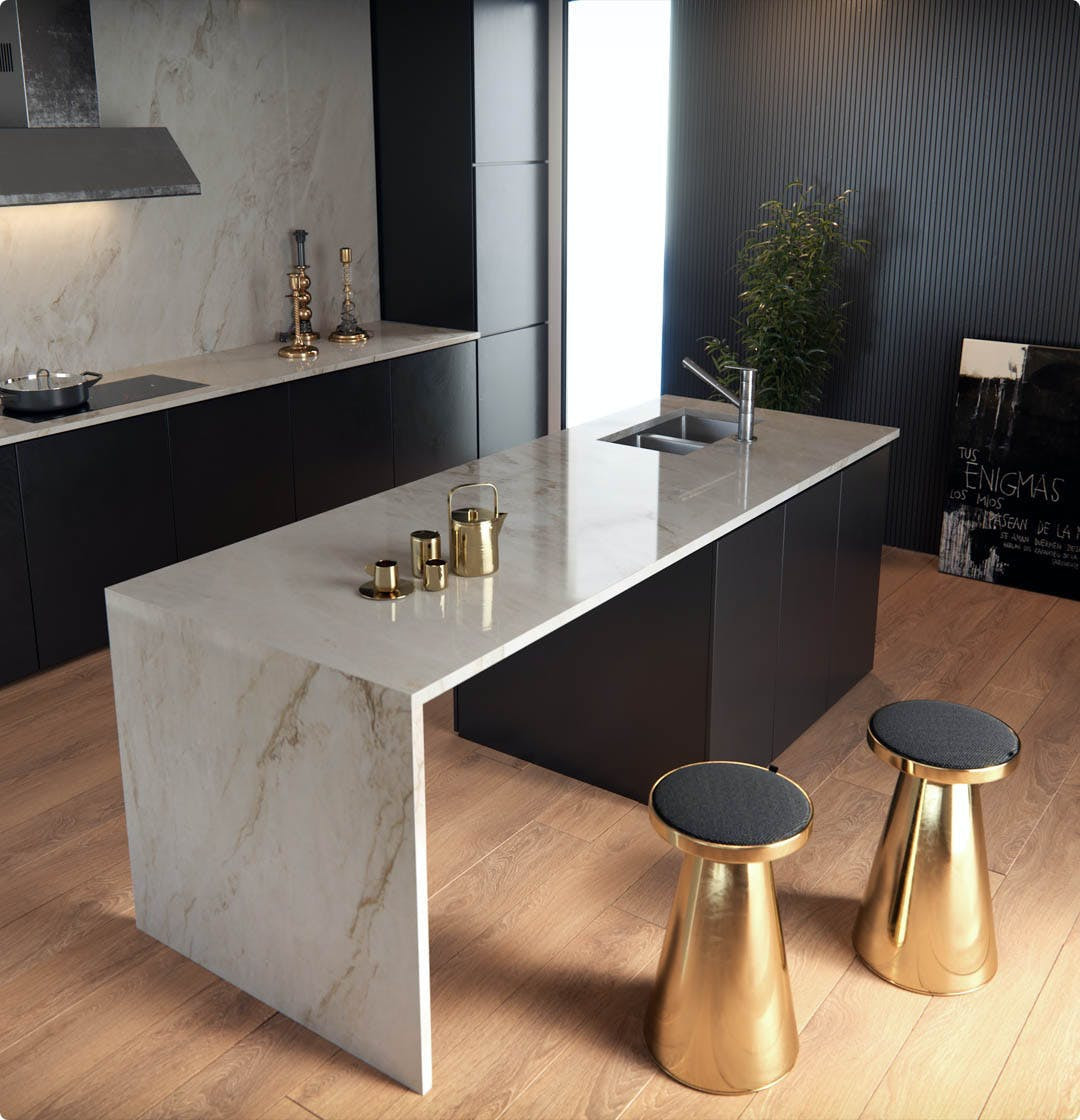
See a completed Neolith Calacatta installation showcasing large-format, marble-inspired surfaces and book-matched detailing.
Material comparison
Sintered Stone Compared with Other Surfaces
Sintered stone, granite and quartz are all premium surface options, but they differ in composition, maintenance, heat resistance and visual consistency.
Sintered Stone
Dense, non-porous and highly resistant to heat, ultraviolet exposure and staining. It is available in thin, large-format slabs but requires specialist fabrication.
Granite
A completely natural stone with unique mineral movement and good heat resistance. It normally requires periodic sealing.
Quartz
An engineered non-porous surface with consistent colours and patterns. It may provide a lower entry price but generally offers less direct heat resistance than sintered stone.
Before choosing
Important Sintered Stone Worktops Considerations
Premium Cost
Sintered stone sits within the premium surface category due to its manufacturing and specialist fabrication requirements. View Sintered Stone Pricing for a more detailed breakdown of typical costs.
Edge Impact
Although the surface is highly durable, exposed edges may chip if subjected to a concentrated heavy impact.
Slab Handling
Large, dense slabs require suitable support, careful handling and professional installation.
Thermal Shock
Extreme sudden temperature changes should be avoided to help preserve the structure and surrounding joints.
Care and maintenance
How to Clean Sintered Stone
Sintered stone requires minimal routine maintenance due to its dense, low-absorption surface.
Following simple cleaning and protection guidance will help retain the selected surface finish over the long term.
Routine Cleaning
Clean the surface using a soft cloth, warm water and mild detergent.
Rinse Thoroughly
Remove any remaining cleaning product with clean water to avoid streaking or residue.
Dry the Surface
Use a clean lint-free cloth to dry the worktop and maintain its finish.
Avoid Harsh Products
Avoid strongly abrasive cleaning pads or unsuitable harsh chemical products.
Environmental performance
Designed for Long-Term Use
Sintered stone is manufactured primarily from natural mineral materials. Modern manufacturing processes are designed to control waste and create long-lasting architectural surfaces.
Its durability can reduce the need for frequent replacement, while low porosity helps maintain performance without ongoing sealing treatments.
The environmental characteristics of individual products can vary, so project-specific certifications and manufacturer documentation should be reviewed when sustainability requirements are important.
Our process
From Surface Selection to Installation
Consultation
Discuss your layout, preferred appearance, application and practical project requirements.
Surface Selection
Compare samples, full slabs, colours, finishes and thickness options at our showroom.
Templating and Fabrication
The installation area is accurately measured before specialist cutting and fabrication.
Professional Installation
The completed surfaces are carefully handled, supported, fitted and finished by experienced installers.
Frequently asked questions
Sintered Stone Worktop FAQs
Is sintered stone suitable for kitchen worktops?
Yes. Its low porosity and resistance to heat, scratching and staining make it suitable for busy kitchen worktops and islands.
Is sintered stone heat resistant?
Sintered stone provides excellent heat resistance because it is manufactured at very high temperatures. Trivets remain advisable to protect joints and avoid sudden thermal shock.
Does sintered stone need sealing?
Its dense, non-porous surface does not normally require the routine sealing associated with many natural stone worktops.
Can sintered stone be used outdoors?
Selected sintered stone products are suitable for outdoor use because of their resistance to ultraviolet exposure and weathering. The individual product specification should always be checked.
Can sintered stone chip?
Although the surface is highly durable, a concentrated heavy impact on an exposed edge may cause chipping. Correct support, fabrication and installation are important.
How does sintered stone compare with quartz?
Both materials are engineered and low maintenance. Sintered stone generally offers stronger heat and ultraviolet resistance, while quartz may provide a lower entry price and a different range of colours and finishes.
How much do sintered stone worktops cost?
The final price depends on the selected brand and surface, thickness, project dimensions, edge details, cut-outs, fabrication and installation requirements. For more detail, see our Sintered Stone Pricing guide .
Which sintered stone brands do you supply?
Can I see completed sintered stone projects?
Yes. Completed projects can help demonstrate how large-format surfaces look once installed. You can view our Neolith Calacatta project for an example of a marble-inspired sintered surface in a finished installation.
Explore the collection
Find Your Sintered Stone Surface
Visit our Oldbury showroom to compare full-size sintered stone slabs, colours and finishes, or send us your plans and measurements for a no-obligation quotation. If you are still planning your budget, review our Sintered Stone Pricing guide before requesting your quote.
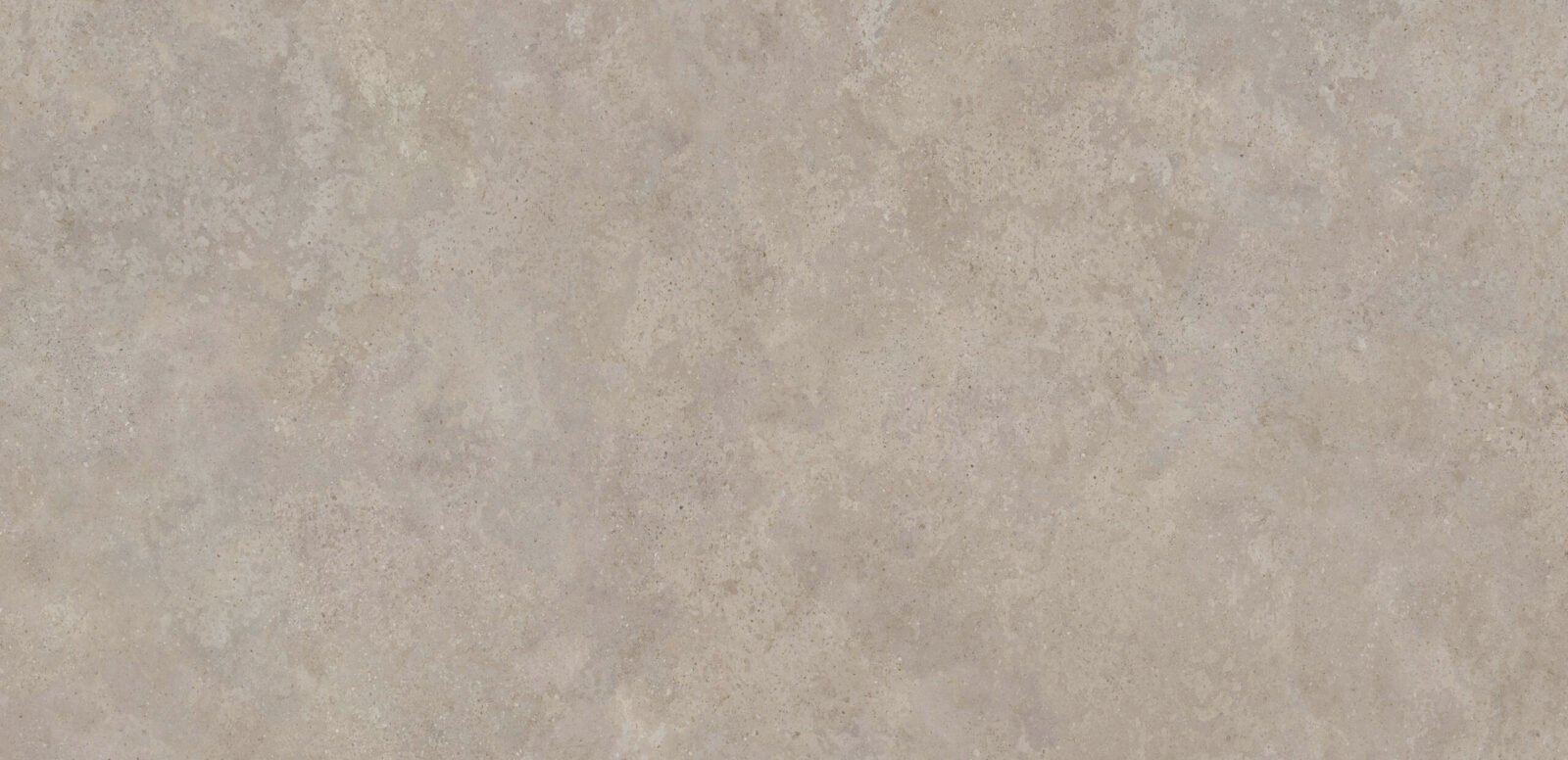
Artisan Sintered Stone Worktops
Artisan brings warm brown tones and an aged, industrial character to contemporary interiors. Its richly textured appearance is suited to statement kitchen worktops, islands, splashbacks, bathroom surfaces and architectural features where a distinctive, natural-looking finish is required.